How counselling can help
How counselling can help
Counselling doesn't remove what's difficult. It changes your relationship with it — and that turns out to make a great deal of difference.
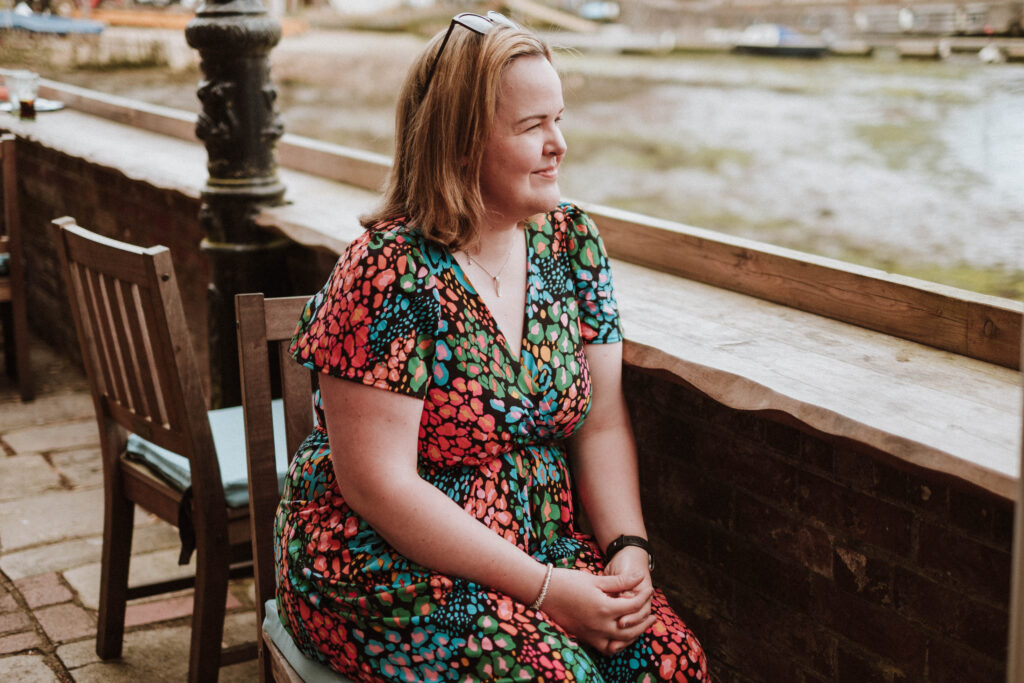
What counselling can offer
It’s worth being honest about this, because the promises made for therapy are sometimes wilder than the reality.
Counselling won’t undo a bereavement, reverse a diagnosis or make a difficult person easy. What it can do is give you an hour a week that belongs entirely to you, with someone whose only job is to pay attention to your experience.
In that space, people generally find some combination of these things:
- Being heard properly. Not managed, not advised, not compared to someone else’s situation. Heard.
- Understanding your own patterns. Why the same argument keeps happening. Why you agree to things you don’t want. Where the reflex came from, and whether it still serves you.
- Room for feelings that have nowhere else to go. Anger, grief, relief, resentment — including the ones that feel shameful to admit.
- A clearer sense of what’s yours. Which of your beliefs about yourself you arrived at, and which were handed to you.
- Choice. Not that everything becomes easy, but that more of it becomes chosen.
What people bring to me
Anything you’re carrying is welcome here. That said, these are the areas I work with most, and where my training and experience are most useful to you.
Burnout and exhaustion
Occupational burnout and autistic or ADHD burnout, the guilt that comes with not coping, boundaries, and working out what has to change. This is my central area of interest and my own lived experience.
Counselling for burnout →Neurodivergence and identity
Late diagnosis or self-identification, masking and burnout, sensory and communication needs, rereading your own history through a new lens, and the impact on family and relationships.
Counselling for late-diagnosed adults →Midlife and womanhood
Menopause and the changes it brings, shifting roles as children grow or parents age, relationships that have changed shape, and the question of what you want now.
Counselling for midlife women →Life transitions
Bereavement and loss, separation and relationship change, health diagnoses, retirement or redundancy, and the disorientation of any ending or beginning.
Counselling through transitions →Alongside those, people bring anxiety, low mood, low self-esteem, stress, loneliness, difficulty with boundaries, and the sense of being stuck without knowing why. You don't need to sort your experience into a category before you contact me.
When I’m not the right counsellor for you
Part of working ethically is being clear about the edges of my competence. There are things I’m not the right person for, and saying so early is far kinder than discovering it three sessions in.
I’m not currently able to offer counselling if:
- You’re living with an eating disorder
- You have a diagnosis of a personality disorder
- You’re currently receiving support from an Adult Mental Health Team or other psychiatric services
- You’re experiencing substance dependency or addiction
None of that is a judgement about you, and it certainly isn’t a comment on whether you deserve support. These areas need particular specialist training and, often, a team around you rather than one person. Sending you somewhere better equipped is the right thing to do.
If you’re not sure whether this applies to you, contact me anyway. We can work it out on the call, and if I’m not the right fit I’ll do my best to suggest where to look next — the BACP Therapist Directory at bacp.co.uk is a good starting point, and your GP can refer you to NHS talking therapies.
If you're still reading, that might be your answer
Twenty minutes on the phone costs you nothing and commits you to nothing.
Book a free 20-minute call