Who I work with · Life transitions
Counselling through change and transition
Some changes you choose. Some arrive without asking. Either way, they can leave you without a map.
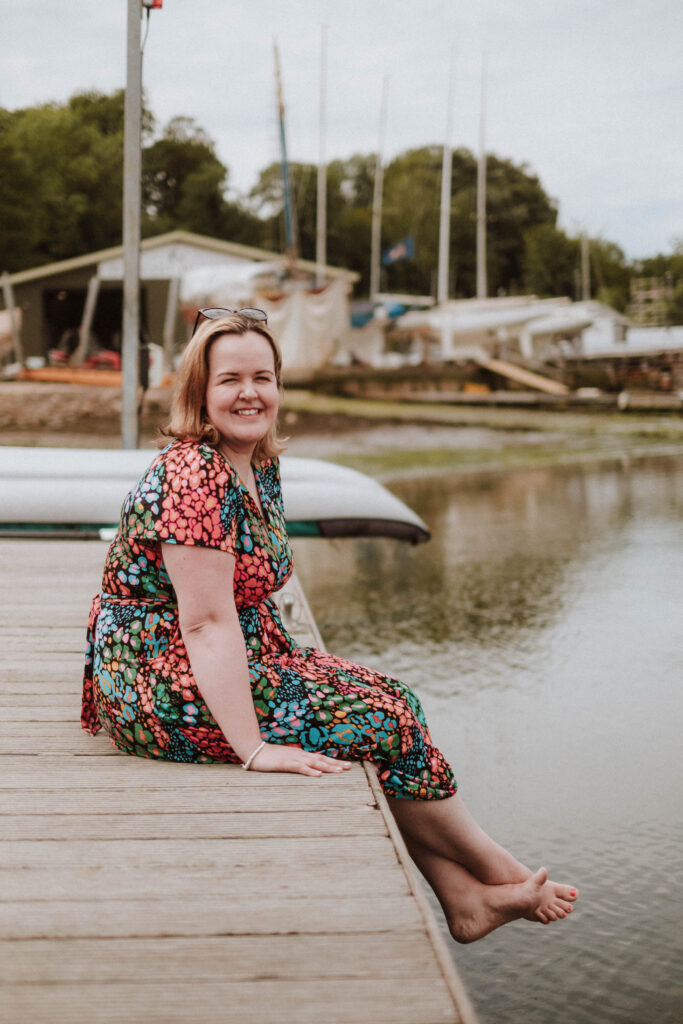
The ground moves
Big changes tend to unsettle more than the obvious thing. A bereavement doesn’t just take a person; it takes a role, a routine, a version of the future you’d assumed. A separation doesn’t just end a relationship; it dismantles a shared story about who you both were. A diagnosis, a redundancy, a retirement — each removes something you’d been standing on without noticing it was there.
And there’s rarely much room to say so. People are sympathetic for a fortnight, and then life resumes and you’re expected to have resumed with it.
Changes people bring to counselling
- Bereavement and loss — including grief that arrives late, grief for someone difficult, and grief that other people think you should be over.
- Relationship change — separation, divorce, an affair, or the slow realisation that something has ended even though nothing has been said.
- Health — your own diagnosis or someone else’s, chronic illness, and the identity shift that comes with a changed body.
- Work — redundancy, retirement, burnout, or a career that no longer means what it did.
- Family transitions — children leaving, children returning, becoming a carer for a parent, changing roles within a family.
- Moving on — relocation, becoming an empty nester, or an ending you chose and still feel strange about.
How counselling helps with change
It doesn’t undo it. Nothing does. What it offers is somewhere to put the experience down for a while and look at it properly.
There’s often a lot to say that can’t be said elsewhere — because it would upset someone, because it doesn’t reflect well on you, or because everyone around you is dealing with the same thing and hasn’t the capacity. Relief at a death. Fury at someone who’s ill. Doubt about a decision you defended to everybody.
Gestalt counselling is particularly suited to this, because it works with what’s alive for you now rather than only recounting events. Sometimes that means talking. Sometimes it means using image or object or movement to reach something that words are circling but not catching. Always at your pace, and always your choice.
You don't have to have it in order before you come
Arriving mid-sentence is fine.
Book a free 20-minute call